By Paweł Kaczyński, who built and sold three food brands; one reached $203,956 in a month · Updated July 11, 2026
Start a meal prep business by securing licensed kitchen access first, selling a small prepaid week to people who already trust your food, and only then scaling production and marketing. Sell before you cook, cook to paid orders, and let referrals compound. The order of moves matters more than any single move.
Most guides to this question are written backwards: logo first, menu photography second, customers someday. I started three meal prep brands, sold all three, and the sequence that worked was nearly the reverse. This page holds the whole path, linking deeper maths at every step.
Four things, in this order: legal kitchen access, a simple prepaid offer, a handful of committed first customers, and a production rhythm that survives a real week. Kitchen access does not have to mean a lease; renting hours in an existing licensed kitchen, or partnering with a restaurant whose mornings sit idle, starts you without the cost mountain that buries most food start-ups. The prepaid offer means customers load money for a week of meals before you cook, which protects your cash. The first customers come from your own circle, not from ads. And the rhythm means you can cook, pack, label and hand off deliveries on an ordinary Tuesday without heroics. Everything else, branding included, can follow. If you already run a kitchen, skip ahead: your path is a bolt-on, not a start-up.
Step one: pick your model
Two formats dominate the field, producing very different companies.
Format one is the prepaid daily meal-set. The customer pays for a week or a month up front, and on each delivery day a bag lands on the doorstep holding a complete day of eating, breakfast through dinner, around five meals. I ran this format across three brands. Cash arrives before anyone shops. The buyer decides once, then simply eats. One subscriber covers a whole day of eating, so even a small base carries serious revenue. The cost is operational: you cook and drive almost every day.
Format two is the weekly bundle. Customers pick eight or a dozen dishes from a menu, you batch-cook once or twice, and everything goes out in one delivery. Calmer weeks: one delivery round instead of one every night. The downside is thinner cash flow per head, plus a menu choice the buyer must repeat every week, which is exactly where cancellations creep in.
Match the format to the eater, too. Bundles suit macro-counting gym members happy to collect a stack of containers on Sunday; daily sets win with busy professionals, exhausted parents, and anyone whose fridge is an afterthought. Quiz the ten people likeliest to buy on which cadence they would genuinely pay for, and trust that answer over your preference.
My advice cuts against the easier option. Choose prepaid if you can hold the regimen, because the habit it forces, sell first and cook against money already banked, underpins every subsequent move. Solo at both stove and wheel? Begin with two batch days weekly and grow toward daily. The model is a dial, not a religion.
The heaviest financial decision is whether you carry a kitchen alone. A standalone lease drops rent, fit-out, licences and insurance onto your subscriber count before the earliest profitable bag, and the break-even arithmetic turns brutal under that weight.
Three doors open faster. Rent hours in a licensed shared facility, paid per shift. Borrow a restaurant’s idle mornings in exchange for a rent share or a percentage of sales. Or operate inside an event caterer between functions, which is how several strong operators quietly begin.
Whichever door you take, sort the paperwork before your first sale; the shape repeats everywhere: register as a food business with the local authority, hold a hygiene certificate, and declare what goes into each box. Phone the inspector yourself and ask what applies at your address; that visit costs less as a guest than as a surprise.
A warning before the spending spree. Never buy equipment to feel like a founder. A blast chiller purchased ahead of the tenth customer is expensive furniture; the same banknotes fund months of hired stove time plus packaging for a whole pilot. When gear does become necessary, the honest starter list stays short: gastronorm trays, digital scales, a probe thermometer, a chest freezer, a thermal label printer, sturdy insulated bags. Hardware should chase demand, not precede it.
Step three: menu and pricing
One plan, one price, one weekly cycle. New founders build seventeen options and wonder why nobody chooses; the buyer wants “five lunches next week” to be a snap decision, not a spreadsheet.
Compose the menu so no dish repeats within the rotation, because boredom quietly kills eating plans. Then engineer ingredients across dishes: chicken roasted for Monday’s dinner returns in Tuesday’s salad, one supplier purchase feeding two recipes. Fewer raw inputs mean shorter shopping lists, less waste, and a grocery bill you can predict before anyone cooks. Here is what a first week can look like: Monday harissa chicken with couscous, Tuesday teriyaki salmon on jasmine rice, Wednesday beef goulash, Thursday paneer curry, Friday turkey meatballs over orzo. Five dinners, twenty ingredients, nothing repeated, half the produce shared between days.
Price from costs upward, never from a competitor’s website downward. Weigh a real portion, cost it at actual supplier prices, and set the plate so ingredients sit near a quarter of what the customer pays. Industry convention says 30 percent; my kitchens ran at 24 percent while our Google rating held 4.7, so the tighter target is no fantasy. The full pricing method and the food-cost target each have their own explainer.
Decide packaging while costing the dish. Microwavable trays reheat conveniently; glass jars photograph beautifully yet weigh triple and shatter; compostable cartons flatter eco-minded branding but soften overnight in a chilled van. Whichever container wins, pick a size that stacks snug, because wobbly towers waste courier space and crush salads.
Make the week prepaid, never invoiced after, and never free: a paid trial filters the curious from the committed and funds its own groceries. Write the offer in the language of the human eating it: fewer decisions, better lunches, delivered. You are selling relief from a daily chore; the copy should sound like it.
Step four: the numbers, before you spend
Ahead of the first grocery run, give an evening to arithmetic. Take the weekly price. Subtract ingredients, packaging, and the fuel that moves a bag to a door. Whatever remains is what one paying customer contributes per week. Divide fixed monthly costs, rent, insurance, your minimum salary, by that contribution, and you get the customer count where the business stops eating savings.
The break-even manual walks this with worked examples, the margin ledger shows where profit hides and leaks, and the free calculator lets you drop in your own figures and watch results shift as you nudge them. Fifteen minutes there beats a fortnight of guessing.
Two routines keep numbers honest. Pay yourself a real wage on paper from day one; a business that only works while the owner is free labour is a job with extra steps. And plan around an ordinary stretch: a public holiday, a rainy Tuesday, two cancellations. The currency changes, the shape does not; identical algebra runs in London, Dubai or Warsaw. Sign nothing until this evening is done.
Step five: the first ten customers
Your first subscribers live within walking distance of your life: regulars, colleagues, family, the gym two streets over, the physiotherapist who already lectures clients about eating. Pitch the prepaid week face to face, deliver flawlessly, and ask every satisfied customer for exactly one introduction. That loop, run with discipline, builds a base referrals compound on, and it costs nothing but nerve. The ask lands better scripted: “Who at your office complains loudest about lunch? Forward them this menu and I’ll add a dessert to your Thursday bag.” Corny, concrete, effective.
Partners multiply it. A personal trainer with forty clients represents forty warm conversations you never had to start; slip that trainer a code and a reason to care, and introductions arrive pre-sold. Dietitians, climbing gyms, dance studios, coworking spaces, and offices wanting lunch solved for a whole team behave identically.
Resist paid promotion until the loop turns, because ads amplify a working offer and expose a broken one. One lesson from my own launches: immaculate delivery of a humble pilot beats gorgeous photography of an imaginary menu, every single time. Nobody photographs reliability, yet reliability is what gets recommended. Those ten customers are your product development team; feed them well, listen hard, and treat a complaint about a soggy container as better data than any survey. The complete ground game, partner scripts and referral mechanics included, lives in how to get your first meal prep customers.
Get the first-customers chapter, free.
The scripts from this section, printable: the prepaid-week pitch, the partner ask, and the referral loop. Straight to your inbox.
The week your orders double is the week spreadsheets break. Production is where these companies actually die: shopping lists missing an ingredient, bags packed for the wrong address, labels without allergens, a courier idling while somebody recounts boxes.
Walk the shift as a chain of documents. A paid order list decides what gets cooked, never a forecast of hope. The buying list is generated from those orders, ingredient by ingredient. Cooking follows quantities on paper, not memory. Packing runs against a per-person checklist, label printed rather than handwritten, allergens and macros on it. The courier receives a per-address sheet, name, street, intercom code, time window, phone, as a file you send, not a call you improvise.
Give the clock a skeleton as well. Produce arrives early, cooking wraps by noon, everything chills through the afternoon, packing fills the evening, and drivers leave before dawn so bags greet the commute rather than the lunchtime rush. Whatever rhythm you settle on, print it and pin it where flour lands. And ahead of the vans leaving, sample a random tote: shake it, tilt it, open the dressing, read the label aloud. What survives a shake survives a stairwell.
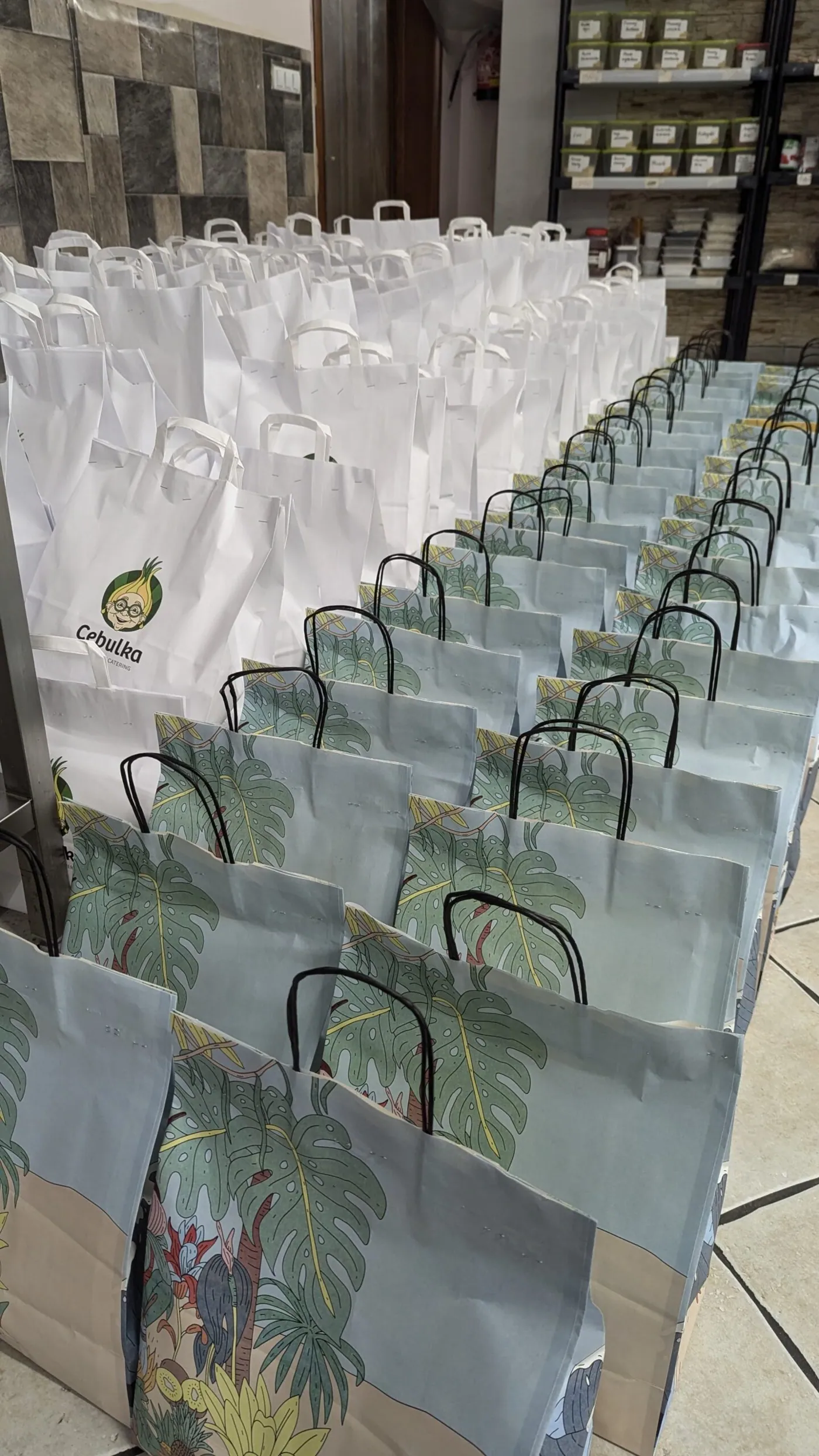
At the peak of my own brands we packed about two thousand prepaid meal-sets a day, roughly ten thousand individual meals, out of a single kitchen, and every bag stood on a doorstep by morning. The operation survived on one premise: each stage was paperwork a tired person could follow at four in the morning. Plant those habits at ten households, while mistakes are cheap, so they are muscle memory at a hundred.
Step seven: choosing software
Spreadsheets haul a meal prep business surprisingly far, then quit, always when volume jumps. The signs are physical: Sunday evenings lost to copying orders, a mislabelled allergy meal, a driver phoning because two addresses swapped.
Grill every candidate with the same questions. Can customers order, pay, pause and skip without messaging you? Can the menu respect each eater’s calories and exclusions automatically? Is the production paperwork, shopping lists, cooking plans, packing checklists, labels, courier sheets, generated from orders or retyped by hand? Check the exit too: recipes, contacts and order history should export cleanly if you ever leave. And ask how onboarding runs: who enters your dishes, who maps your zones, who trains the crew, and how many afternoons it steals before the switch flips. The full comparison of the market is here, and the head-to-head reviews live in the comparison library.
A note on where Flambia sits, since this is our page. The system was built inside the kitchens described above, and it generates twenty-six kinds of production paperwork, from shopping lists to per-address courier sheets; the full walk-through is here. It serves any scale. A first prepaid line starts with a 30-minute fit call, then founder-led deployment, so the software arrives with the operating knowledge that makes it useful. A kitchen already running plugs the system into its existing volume. Nobody has to grow into being allowed to start.
Growing is not a marketing project; it is an operations project that marketing feeds. Referrals compound first: each happy customer gets a reason and a mechanism to introduce one more. Advertising comes afterwards, aimed at an offer the referral loop has proven, with tracking in place so you know which spending returns cash.
Within the kitchen walls, growth means gates: split the day into stages and refuse to let a bag pass a stage without its printout. Hire the second chef before the current one burns out, and when deliveries outgrow your car, hand a courier company a daily delivery sheet. What revenue looks like as you climb has its own breakdown with the numbers. My best month, at Cebulka, was $203,956, and it was floor discipline, not advertising, that made that month deliverable.
How much does it cost to start, and how long until profit?
Started as a bolt-on or from rented kitchen hours, this business can launch for a few thousand dollars, not tens of thousands. The prepaid orders fund the pilot ingredients themselves. The real spending is packaging, labels, registration and a little marketing later. The timeline to profit follows the arithmetic you set up, not the calendar: contribution per bag against the fixed costs you chose to carry. A bolt-on inside a working kitchen can clear break-even within its first stable weeks. A standalone launch takes as long as its expense mountain demands. A blast chiller, a branding agency, a bespoke app: luxuries masquerading as necessities until real volume justifies them. Model the plan on an ordinary week, not a record month.
Frequently asked questions
Can I start a meal prep business from home?
In most places no, or only under narrow low-risk rules; cooked meals sold daily usually require a registered commercial kitchen. The pragmatic route is renting hours in a licensed shared workspace, which gives you the certificate trail without the lease. Ask your local food authority before your first sale, not after.
How many customers does a meal prep business need to break even?
Divide fixed monthly costs by what one bag contributes after ingredients, packaging and delivery. The result is your break-even count; it shifts with every pricing decision. The break-even page spells it out with examples you can copy into your own plan.
Do I need a website before I start?
No. The first ten customers come from direct conversation, a payment link and an Instagram profile, not from a storefront. Build the website once referrals snowball and strangers need somewhere to land. Until then, every hour spent on web design is an hour not spent delivering a flawless prepaid week.
Is a meal prep business still profitable in 2026?
Yes, where the arithmetic is respected: ingredients near a quarter of the plate price, prepaid weeks instead of invoices, and fixed costs sized to the subscriber base. The full profit anatomy, including what quietly kills it, is in the profitability page.
What is the biggest mistake new meal prep founders make?
Cooking before selling. The failed pattern is a leased kitchen, a glossy photo session, and zero committed buyers; the working pattern is ten prepaid eaters served from borrowed burners. Sell a small paid week first, deliver it without a hitch, and let equipment purchases chase the subscriber count.
Where to go from here
Each step above links its fuller guide; the rest lives in the operator playbook.
By Paweł Kaczyński, who built and sold three food brands; one reached $203,956 in a month · Updated July 2, 2026
A UK kitchen adding a prepaid meal prep line needs software built for daily personalised subscriptions, not a takeaway plugin. Most British operators improvise with spreadsheets or shopfront tools shaped for one-off orders. Flambia is an operator-built platform for exactly this model, installed with you rather than handed over as a trial.
The UK is one of the busiest meal prep markets in Europe: gym culture, long commutes, and a delivery habit that survived every economic mood. Yet when a British operator goes shopping for software to run daily prepaid meal plans, the shelf looks strangely thin. Takeaway platforms assume one-off carts. Big subscription brands built their engines in-house and do not sell them. I know the gap from the inside; I built three meal prep brands, sold all three, and wrote the software that ran them. This page is the honest UK picture.
What software does a UK meal prep business actually need?
It needs five things a takeaway plugin does not have. Prepaid balances, so customers load a week or month and the kitchen cooks only against money already collected. Calorie-personalised ordering, because the British buyer of daily meals is usually chasing a target, not a treat. A rotating menu engine with a no-repeat rule, since a subscriber who meets the same lunch twice in a week starts drifting toward the supermarket meal deal. Production paperwork, from shopping lists through labels, that a crew can follow at five in the morning. And a clean delivery handoff for couriers working dense city drops. That list is precisely what the Flambia platform covers, because it was distilled from running the model daily, not from a product manager’s guess.
Three things every UK operator must have squared away, stated plainly. Food business registration with your local council before trading begins, per Food Standards Agency guidance, followed by a hygiene inspection whose rating most UK buyers can look up online. Allergen law with real teeth: since Natasha’s Law, food prepacked for direct sale must carry a full ingredient list with the fourteen allergens emphasised, and daily-changing rotating menus make manual labelling a genuine liability. And honest nutrition information, because the calorie-target customer notices when the label and the meal disagree. This is where software stops being a convenience: Flambia prints labels with macros and allergens per dish, per customer, generated from the recipe data itself, so a Tuesday menu change does not become a Wednesday compliance gap. Your registration and rating stay your job; the paperwork that scales is the platform’s.
Dense UK cities and the delivery economics
British geography is kind to this model, and most operators underprice that kindness. A meal prep round in Manchester, Leeds or a London borough drops dozens of bags within a few postcodes, and delivery cost per bag falls with every address that shares a street. The operator’s job is to steer that density on purpose: zone pricing that rewards the neighbourhoods you already serve, office clusters where five colleagues order together, gym partnerships that concentrate customers around one postcode. The platform’s part is the handoff: when the day is finalised, a per-address report with names, addresses, time windows and phone numbers is emailed automatically to your courier company. To be straight with you, it does not plan the driving order; your courier decides the sequence. What disappears is the late-night spreadsheet compiling who gets what and where. Whether your own density clears is a five-minute check in the operator profit calculator.
What is the honest catch for a UK kitchen?
The same one I tell every market, because it is true everywhere. Flambia is proven in Poland, where it ran my brands for years at a peak of roughly two thousand bags a day, and it deploys founder-led: you and I configure your menus, zones, couriers and food-cost targets together. It is not a self-serve trial, and a new market means real joint setup work. The storefront runs on your own domain with your own branding, and the local configuration, from menus to delivery zones, is exactly what the joint deployment is for. If you want to test the model before any software conversation, that is the right order anyway: add a prepaid line to the kitchen you run, win your first customers, and let the tooling follow the traction. The first step is a short call: see if your kitchen fits.
Comparing UK options this week? Take the scorecard
The buyer’s scorecard. The ten questions to put to every vendor, with the answers that should worry you, on one sheet you can bring to each demo. Free, straight to your inbox.
By Paweł Kaczyński, who built and sold three food brands; one reached $203,956 in a month · Updated September 24, 2026
There is no single best meal prep software; the right pick depends on how you want to buy and start. Bottle sells a guided launch with peers. Sprwt carries the widest toolkit behind a sales call. GoPrep offers clean checkout with no startup fees. Flambia runs prepaid meal prep at any scale, first launch or multi-brand kitchen, deployed with you by the founder. The comparison below shows why.
I built three food brands out of one kitchen, and I built the platform we ran them on. One of them, Cebulka, reached $203,956 in its strongest month. So when I weigh up the tools in this space, I am not skimming a feature list. I am remembering what it actually feels like to pack two thousand bags in a single morning. This page helps you pick the right system for your kitchen, including the cases where mine is not the best fit.
What is the best meal prep software in 2026?
There is no single winner, because “best” depends on how you want to buy and start. If you want a guided platform with a growth community, Bottle is a strong choice. If you are after a deep, do-everything catering suite with the longest capability menu, Sprwt fits. If you want clean checkout and production tools at a fair price with free onboarding, GoPrep is solid. Flambia works like a Shopify for prepaid meal prep: the same engine carries a founder launching a first prepaid line and a company producing for several brands from one kitchen. It was built by someone who ran the business, and it gets installed with you rather than handed over as a cold trial. Choose by how you want to start, not by whoever shouts loudest.
The grid below sums up what each tool does well and who it serves. Every rival row mirrors their own public pages and listings (goprep.com, sprwt.io, bottle.com, checked September 2026). Flambia’s entries reflect only what the software is verified to do.
GoPrep
Sprwt
Bottle
Flambia
Best for
Startups to enterprise after clean ordering
Owners chasing the broadest toolkit
New founders seeking a guided launch and peers
Prepaid meal prep at any scale, first launch to multi-brand
Pricing model
No startup fees, free onboarding (their pricing page)
Tiered monthly plus a transaction fee (their pricing page)
From $19 a month plus a 1.9% transaction fee (their features page); demo first
Set on a fit call, after we see your kitchen
How you begin
Self-serve signup
Book a demo
Book a demo
A 30-minute fit call first; founder-led setup is a separate, paid step
Ordering and menus
Included
Included
Included
Calorie-personalised
Subscriptions
Available
Available
Available
Prepaid balance, self-serve pause
Production reports
Standard
Standard
Standard
Twenty-six report types
Delivery handoff
Delivery route report and delivery settings (homepage, features page)
Delivery reports in-app; route planning via Root Planner
Delivery zones and time slots; sync with routing partners
Per-address report emailed to couriers
Founder who personally ran a meal prep business
A co-founder ran his family’s catering business (about page)
Not featured
Not featured
Yes, shown
A fairness note: GoPrep lists delivery days, distances and fees on its features page and a delivery route report on its homepage. Sprwt keeps delivery reports in its core app and runs route planning through Root Planner, a separate product. Flambia keeps its shipping promise deliberately small, and I explain below why that is enough.
GoPrep: clean ordering with friendly pricing
GoPrep frames itself as scaling “from startups to enterprise scale,” and its clearest pledge sits right on its pricing page: zero startup fees plus free onboarding. For an owner watching cash, that erases a genuine barrier to trying it. The product covers the category table stakes well: online checkout with bespoke menus and allergy filters, single or recurring plans toggled at the basket, nutrition facts generated from ingredients, production summaries across custom date ranges, branded packing slips, and a custom-domain storefront (all per their features page). Their homepage says “trusted by hundreds of industry leading meal prep companies” without an exact count. An inventory system is listed on their pricing page, a delivery route report on their homepage and POS capabilities through Stripe in their comparison blog. It is a capable platform; stress-test it against your own order volume.
Looking for a GoPrep alternative? That page names who outgrows it and who should stay.
Sprwt: the widest feature menu
Sprwt competes on breadth. Its money page marches through more than a dozen capabilities: checkout, diner diet preferences, nutrition tracking, a recipe builder, a shopping-list generator, a label designer, marketing automation, plus crew tools like time tracking, shift scheduling, and timesheets. For anyone wanting one app that touches nearly every corner of a catering operation, Sprwt offers the longest inventory of features. Two caveats for the owner picking it. First, the only door in is a sales call: every button leads to “Book a Demo”, and their plans are tiered monthly with a transaction fee on top. Second, route planning runs through Root Planner, a separate product, while delivery reports and Shippo shipping labels sit in the core app. Such breadth genuinely helps if you use most of it. When you only need a subscription line bolted onto a kitchen you currently operate, a sprawling toolkit can be more than day one demands.
Weighing a Sprwt alternative? The head-to-head names the kitchens Sprwt still fits.
Bottle: a guided launch with a community
Bottle is engineered around momentum for newer founders. Its pitch reads “everything you need to grow your meal prep or catering business,” wrapped in expert support and a peer circle, with a vow to launch you in roughly thirty days. Public proof leans on platform totals and customer wins, such as its 250+ meal prep owners and a named kitchen reporting strong monthly growth. For a cold starter who wants hand-holding alongside a community of peers, that support is genuinely valuable. The question is whose results those numbers describe. They are aggregate tallies and buyer outcomes, normal for any software company. What stays absent is a founder who personally created and sold a brand on the very thing being marketed to you. Conversion also flows through a demo booking. Bottle answers “I am new and want a guided path” beautifully. If you already run a kitchen and mainly need production planning, compare Bottle’s back-office reports against your busiest week before deciding.
Looking for a Bottle alternative with the production floor planned for you? That page shows what you gain and what you give up.
Where Flambia fits, and where it does not
Flambia is the platform I engineered to run my three brands, and it has clear edges. Each operator receives a branded storefront on their own domain with calorie-personalised checkout, subscriptions carrying a prepaid balance plus self-serve pause, skip, or cancel, alongside recurring card billing. A menu engine assembles the rotating cycle under hard macro bounds, a price ceiling, and a no-repeat-within-seven-days rule. The production suite prints the day as paperwork a crew can follow: shopping, cooking, sorting, packing, bags, labels, transport, with a rolling week-ahead demand view and a food-cost watch that compares the realised figure against the target you set. Labels print with macros, allergens, and a scannable code, while a rack-to-order scanner verifies every bag against its order. A single kitchen can produce for several brands at once from a shared dish library. Here sits the part most vendors bury: this is no self-serve trial. It is installed with you as founder-led setup work, and the model has so far been proven only in Poland. On shipping I promise only what the System does. Once the day finalises, the System compiles a per-address delivery report and emails it to your courier companies automatically, which is precisely what most owners need to launch. The full walk-through lives on the Flambia System page.
Why “deployed with you” beats “free trial”
The hard part is not learning a dashboard. The hard part is the first real week: menu in, payments wired, first production run out the door. A self-serve trial dumps all of that on you. Flambia absorbs it as implementation done jointly, because I learned that stretch the hard way running my three brands. A founder launching a first prepaid line gets a guide who already made the expensive mistakes; a large kitchen gets the same deployment pointed at real volume. The trade: this is not an instant sign-up, and the software is Polish-first, so a first launch outside Poland means real development work on translation, payments and tax, quoted with you before we start. Whether the economics clear for your kitchen is a five-minute job in the operator profit calculator.
Begin from how you want to buy and start. Want a peer community and coaching around the launch? Pick Bottle. After the deepest toolkit, untroubled by a sales call? Sprwt covers the most ground. Need clean checkout with no startup fees, driving everything yourself? Stress-test GoPrep against your real order volume. Want prepaid meal prep set up beside you by someone who ran the business, first line or fifth brand? Flambia is the closest match. Ask every vendor to show the paperwork its software prints for a real order day, not a slide. Whether the model pays at all is answered in is a meal prep business profitable. To test the fit for your own kitchen, book a 30-minute fit call.
Two more: a Happy Meal Prep alternative for operators who want menu rotation and food cost planned, not just reported, and a MealTrack alternative for those who want someone beside them at setup. Operators also ask about three more tools. Foodzilla is meal-planning software for dietitians and nutritionists: see the Foodzilla alternative for kitchens. Prepped charges per order, with no setup fees or monthly minimums: see the OrderPrepped alternative. Nutribot CRM is a Polish-built system with driver routing: see the Nutribot alternative. The full list is on the articles page.
If you already run event catering, compare meal prep software vs catering software: quotes and deposits on one side, weekly prepaid orders and a daily delivery list on the other.
The buyer’s scorecard. The ten questions to put to every vendor on this page, with the answers that should worry you, on one sheet you can bring to each demo. Free, straight to your inbox.
Recurring revenue for restaurants comes from one source most operators walk past every week: the hours your kitchen sits dark. You already pay rent, core staff, and certifications whether the line cooks four days or seven. A prepaid meal-plan line (people pay up front for a week of meals, eat them, reorder) runs in those idle hours and turns them into income you can count on monthly instead of wishing for the next event call. On a kitchen you already own, that line breaks even at roughly 18 prepaid subscribers — because the expensive part is already paid for. Everything past that is contribution profit.
This page is for the operator who already runs a real kitchen: a restaurant with dead weekday hours, a contract caterer, an event caterer whose calendar swings between feast and famine. Not a beginner with no kitchen. Not the end customer. You. The one who hears “this is incredible, where can I get this every week?” and has never had a way to say yes.
Why one-off covers and events are a treadmill
The one-off model pays you once and forgets you. You quote, you cook, you clean, you wait for the next call that may or may not come. The phone rings on Thursday for a Saturday event; the following Tuesday the kitchen is silent and the rent meter is still running. You are good at the cooking and trapped in a model that punishes it.
An event caterer put it the way I think about it every week: “Events are the gravy. I want bread-and-butter accounts.” A floor you can plan on. The grind isn’t a sign you’re doing it wrong — it’s the old model doing exactly what it was built to do. Every fix the standard playbook offers makes the volatility worse:
The delivery apps take roughly 30% of each order, then keep the customer’s name, email, and phone. You did the cooking; they own the relationship. You’re paying to build someone else’s business on land you rent.
A second location or a proper restaurant carries brutal odds — roughly 60% of restaurants close within two years. You’re betting a year of cash flow on the most romantic, lowest-survival option in food.
Chasing more events just buys you a bigger treadmill: more quoting, more scrambling, the same dark Tuesdays in between.
None of those fix the actual problem. The problem is structural — your revenue arrives in unpredictable lumps, and your costs arrive every single day. I unpack this gap in more detail in the ugly truth about starting a food business.
Idle kitchen capacity is your biggest untapped margin
Here is the mechanical fact at the centre of all of it: it takes a cook the same time to put one chicken breast in the oven as it does to put in a tray of a hundred. Cook for one person and you have a luxury private-chef service almost nobody can afford. Cook for a hundred pre-planned eaters from one kitchen and you have that same service brought within reach of an ordinary household — at a price they’ll pay every week.
Your idle capacity is the rarest thing in this business: fixed cost you’ve already absorbed. In a typical restaurant the premises alone eat 22–29% of every dollar before a single ingredient is bought. Your idle weekday hours carry none of that overhead, because your event or à-la-carte business already paid it. A new line started in those hours only has to cover what it adds — the food and the extra hands — not a whole kitchen from scratch.
That’s why the scary “you need 150–300 subscribers to make money” figure is wrong for you. That number assumes a kitchen built from zero. You’re not building from zero. You’re filling a room you already rent.
The break-even math, on a kitchen you already own
Let’s run it out loud instead of in your head, because the math in your head is using broken inputs. Per subscriber, your monthly variable contribution is the price minus the food, packaging, and the marginal labour to make their meals. The line’s only new fixed cost is the incremental piece — one packer, equipment wear, a little extra overhead.
Across plausible bands — thinner margins, leaner ops, different markets — break-even lands somewhere between 10 and 35 prepaid subscribers. That’s an order of magnitude below the from-scratch myth. Run it on your own numbers and the picture rarely changes shape; only the exact count moves. (Don’t trust my margins — trust yours. Plug in your rent, your food cost, your delivery.)
And food cost is lower than the myth says. “30% food cost” gets repeated like a law of physics. In one operator’s own test, simply buying each item from the cheapest supplier — pure price comparison, no negotiating — moved food cost from about 40% to roughly 28%. Across the two brands I built, blended food cost ran 24%. To a wholesaler’s rep, a meal-plan kitchen is worth ten restaurants, so you buy like one. If your food cost feels stuck at 35%+, start with how to count food cost properly and where food costs actually leak.
One-off vs recurring: the contrast that changes your bank account
The difference isn’t a few points of margin. It’s the entire shape of the business — when cash arrives, whether you can plan, and what each customer is worth over time.
Dimension
One-off (events / à-la-carte / delivery apps)
Recurring (prepaid meal-plan line)
Cash-flow timing
After the work; net-30 invoices on contract jobs; app payouts on a lag
Up front. Customers prepay the week — an interest-free loan before you buy the food
Demand predictability
Feast or famine; you forecast by guessing
A renewing base you can roster, buy, and route against
CAC amortization
You pay to win a buyer who orders once, then vanishes
Cost to win is spread over ~25–40 reorders a year; LTV ~$500–2,400+
Net margin
Restaurant 3–9%; apps gut another ~30%
15–20% net (the category leaders run NTFY ~16%, Kuchnia Wikinga ~18%)
Who owns the customer
The app, or nobody — they don’t come back
You. Your list, your renewals, your reviews
Delivery economics
One courier, one order, across town — and the 30% fee
One off-peak route drops the day’s meals to ~150 customers in a single run
Read the delivery row twice, because it’s the one operators get backwards. You’ll happily pay for one restaurant order driven across town by one courier and hand over a 30% fee, then doubt batched meal-plan delivery, which is far cheaper per meal. One is a milk round. The other is a taxi for a sandwich.
The CAC row is the quiet one that compounds. In the one-off world, every dollar you spend to win a customer dies after a single order — which is why customer acquisition cost is the lever that decides catering profitability. In the recurring world, that same dollar is amortized across a year of reorders, so a winning unit economics math holds even when retention isn’t perfect. The whole game becomes acquisition discipline, which is exactly why marketing for catering stops being an afterthought and becomes the engine.
How to start small without breaking what works
The fastest way to kill a good idea is to bet the core business on it. You don’t. The recurring line is additive — it runs in hours that are currently producing zero, so the downside is your time, not your livelihood. Here’s the sequence that protects what already pays the bills:
Run the sum on your real numbers first. Before you cook a single subscriber meal, find your break-even subscriber count using your rent (zero, it’s sunk), your food cost, your delivery. If the number scares you, stop here — you’ve lost nothing.
Start with one fixed-day, fixed-menu week. Three to five dishes, one delivery window, one weekday. A tight menu keeps food cost low and prep simple. Cebulka launched on a dead-simple offer — three dishes, 1,000 calories, free delivery — and that constraint was a feature, not a limit.
Sell to demand you already have. The people who said “where can I get this every week?” at your last event are your first 18 subscribers. You don’t need an ad budget to test the model — you need to call back the compliments you’ve been throwing away.
Cap it until the unit economics prove out. Hold the line at a number your idle hours and current staff can absorb. Don’t hire ahead of demand; let the prepaid cash fund the next packer.
Keep your brand, recipes, and customers. This is a line you own, not a platform you join. No 30% middleman, no renting someone else’s relationship. The relationship is the asset.
Suppliers are part of starting small too: a meal-plan kitchen buys at volume a restaurant never sees, so you negotiate from a position of strength. Done right, you become a partner, not a hostage — the mechanics are in negotiating supplier prices. And before you scale, plug the leaks the one-off model hides; 14 places your catering money escapes applies double once you’re running a daily line.
Where this leads if it works
I built three meal-plan brands from a single kitchen. One hit $200,000 a month by month four — about 2,000 customers, near 10,000 dishes a day off a 33-dish menu. The largest operators in this category — NTFY, Maczfit, Kuchnia Wikinga — pushed past $50 million a year. Every one of them started where you’re sitting: a kitchen, a craft, no outside money, and the willingness to fill the empty hours instead of chasing the next one-off.
The trophy numbers aren’t the point. The point is that recurring revenue changes what kind of business you own — from one that lives quote-to-quote to one with a floor under it. Catering margin stops being something you defend and starts being something you compound.
If you want the line launched with you — the brand, the online store, the first paying customers — start with a 30-minute fit call. But before you spend a cent, settle the only question that matters: does a prepaid line pay on your kitchen? Run the numbers above first. If they work, you already know what to do with next Tuesday.
What is recurring revenue for a restaurant or caterer?
It’s income that arrives on a predictable schedule from the same customers, rather than one unpredictable payment per event or cover. The cleanest version for a kitchen operator is a prepaid meal-plan line: customers pay up front for a week of meals, eat them, and reorder. You get cash before you spend on food, a base you can forecast against, and a customer worth 25-40 reorders a year instead of a single transaction.
How many subscribers do I need to break even on a meal-plan line?
On a kitchen you already operate, roughly 18 prepaid subscribers in a representative case, and 10-35 across plausible margin and price bands. The number is low because your rent, core staff, and certifications are already paid by your existing business. The new line only has to cover its incremental costs (food, packaging, one packer, a little overhead), not a whole kitchen. Run the math on your own rent, food cost, and delivery before trusting any benchmark.
Won’t adding a subscription line break my existing restaurant or catering business?
Not if you start in idle capacity and cap it. The line runs in hours that currently produce zero revenue, so the downside is your time, not your core income. Start with one fixed-day, fixed-menu week of three to five dishes, sell to demand you already have (the people who asked where they could get your food weekly), and don’t hire ahead of demand. Let prepaid cash fund each next step.
How is a meal-plan line more profitable than the delivery apps?
Two reasons. First, you keep the roughly 30% the apps take, and you keep the customer’s contact details and relationship instead of renting them. Second, batched delivery is far cheaper per meal: one off-peak route drops the day’s dishes to about 150 customers in a single run, versus one courier per order across town. Net margin on a prepaid line runs 15-20%, against 3-9% for a typical restaurant before app fees.
Is food cost really lower for a meal-plan line than for a restaurant?
Usually, yes. The repeated ‘30% food cost’ is not a fixed law. In one operator’s test, simply buying each item from the cheapest supplier moved food cost from about 40% to roughly 28% with no negotiating. A meal-plan kitchen also buys at volumes a restaurant never reaches, so suppliers price it like ten restaurants. Blended food cost across the brands I built ran about 24%.
What’s the difference between one-off catering revenue and recurring revenue in cash terms?
One-off revenue arrives after the work, often on net-30 invoices or lagged app payouts, in unpredictable lumps. Recurring prepaid revenue arrives up front, before you buy the food, so it acts like an interest-free loan. More importantly, your cost to acquire each customer is spread across a year of reorders instead of dying after one order, which is what makes the unit economics hold over time.
Most commercial kitchens cook four to six hours a day and sit dark the rest. Meal prep fills the idle hours with prepaid production — same rent, same equipment, new revenue line.
Restaurants fight for walk-ins against roughly 90% year-one failure odds; meal prep books revenue before cooking starts. Same kitchen, same skills — a model where the money arrives first.
By Paweł Kaczyński, who built and sold three food brands; one reached $203,956 in a month · Updated July 2, 2026
You add a meal prep line by selling weekly meals in advance, then cooking only what is already paid for. Customers load a prepaid balance on your own site, your crew batch-cooks in the quiet weekday mornings, a courier delivers labelled bags. No new premises, no second team at first. Your idle hours become the asset.
You already own the hard part. A licensed kitchen. Trained hands. Suppliers who pick up the phone. Most weeks, that kitchen sits half-empty between the lunch rush and the dinner push, and on slow weekdays it barely earns its rent. A prepaid meal prep line fills those quiet hours with paid, repeatable work. This guide walks an existing operator through the whole idea: what the line is, why your idle hours make you the ideal fit, the money math that makes it safer than a normal menu, and the simple first step.
I built three food brands and sold all three. One of them, Cebulka, reached $203,956 in its best single month. Then I built the software that ran all three from one kitchen. What follows is the playbook I wish someone had handed me at the start.
How do you add a meal prep line to a kitchen you already run?
You sell weekly food in advance, then cook only what is already bought. Customers order a plan on your own branded website, top up a balance, and pick how many meals per day they want. You batch-cook those meals on the slow weekday mornings your kitchen is already staffed for, pack them into labelled bags, and hand the daily list to a courier. No new building. No second crew at first. You bolt the fresh line onto the kitchen, the cold storage, and the cooks you have. Start small, learn the rhythm on real orders, and grow the book week by week. The rest of this page unpacks each piece; the maths behind it lives in is a meal prep business profitable.
What is a prepaid meal plan line?
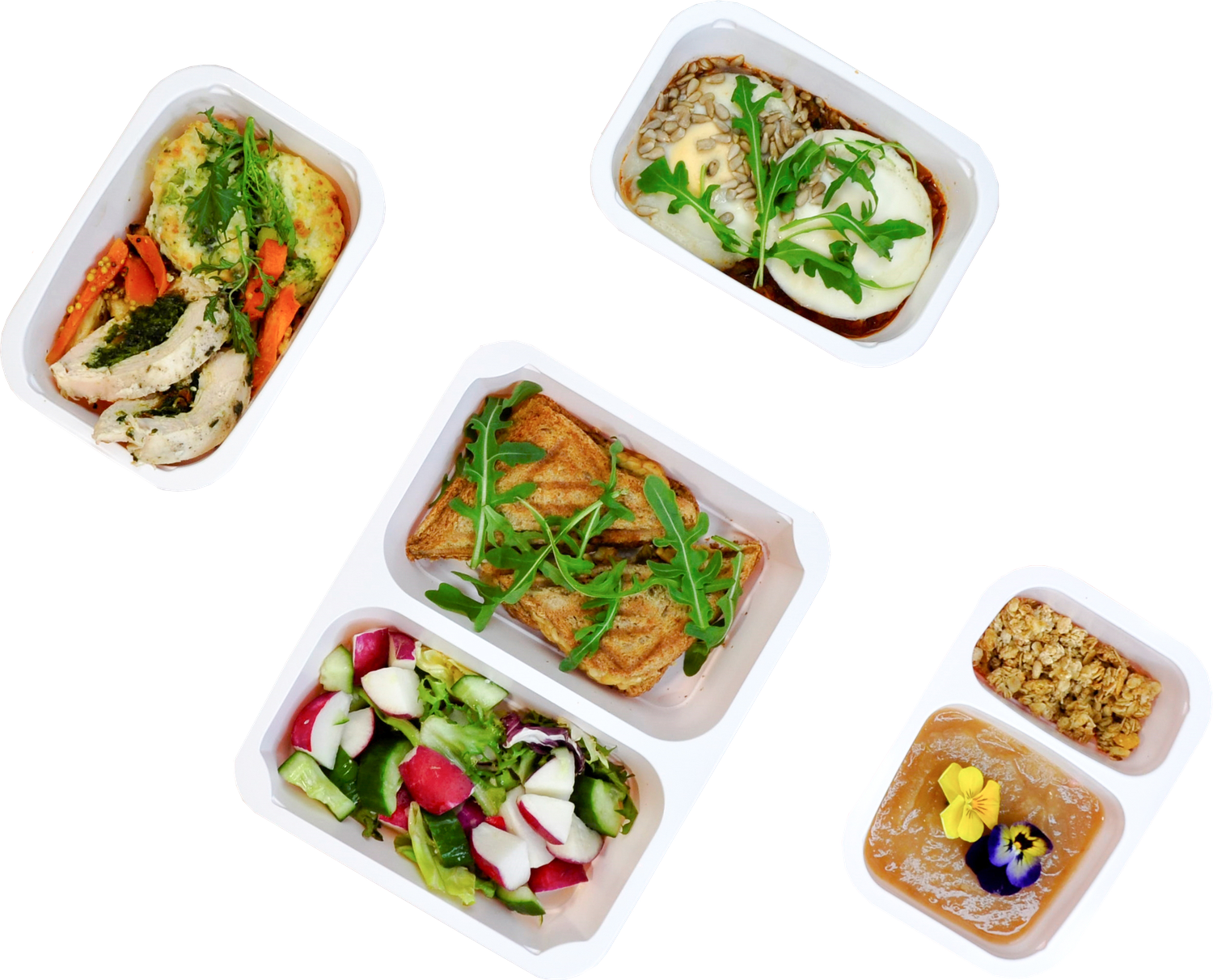
A prepaid meal plan line is a small business that lives inside your kitchen. People buy a week or a month of daily meals before a single pan is hot. Think of it like a coffee card. The customer loads money first, then spends it day by day as the food arrives. Each morning your team cooks the meals, packs them in sealed boxes with a label, and a courier drops them at homes and offices. The menu rotates on a fixed cycle so nobody eats the same lunch twice in one week.
This is not event catering. There is no quote, no one-off party tray, no waiting on an invoice. It is a steady book of customers who pay up front and reorder on their own. The food looks like the healthy, portioned meals you see in any gym fridge: a protein, a starch, a vegetable, the numbers printed on the side.
Why is an operator with idle weekday hours the ideal fit?
Because the line feeds on exactly the capacity you waste. A meal prep book is busiest first thing in the morning, when a restaurant kitchen is usually cold and a catering crew is between gigs. You cook the next day’s bags before your normal service even starts. Your fridges, your ovens, and your cooks earn money in the hours they used to sit still. The unit economics are kind too. You buy ingredients only after the customer has paid, so a fresh order never ties up your own cash. You already passed the health inspection that scares off newcomers. You already know your suppliers and your true plate costs. A brand-new founder spends a year and a small fortune reaching the starting line you are standing on today. There is a whole guide on this angle: recurring revenue from idle kitchen capacity.
Most food businesses live on a knife edge because they spend first and hope second. They buy stock, prep it, plate it, and pray enough people walk in. A prepaid meal plan flips that order. The cash arrives before you touch a single ingredient. That one change rewrites your risk. Spoilage drops, because you cook to a list of paid orders, not to a guess. Working capital stops bleeding, because customers fund the groceries, not your bank account. And revenue turns predictable: a subscriber who reorders every week is worth far more than a stranger who buys once. At the peak of my own brands we packed roughly two thousand bags a day, and every one of them was paid for before the shift began. Run your own numbers in the operator profit calculator to see what the flip would mean for your venue.
What does the software side look like day to day?
The platform I later built, Flambia System, is the same software that ran Cebulka and two sister brands from one kitchen. Each operator gets a branded storefront on their own domain with calorie-personalised ordering, subscriptions with a prepaid balance, self-serve pause, skip and cancel, and recurring card billing. A menu engine composes the rotating cycle under your macro rules and a no-repeat-within-a-week guard, from dishes each customer can actually eat. The production side prints the day as paperwork your crew can follow: shopping lists, cooking and sorting sheets, packing lists, labels with macros and allergens, and a per-address delivery report that goes to your courier company. It also watches your realised food cost against the target you set, every day, so a bad week never quietly becomes a bad month. But hear me clearly: the software is the later rung. The first customers come first.
The very first step
The first step is small on purpose: a 30-minute fit call. Your kitchen runs one service today. On the call I show you how a prepaid second one would run in the hours it currently wastes. I learned how by building three real brands and the software underneath them. You do not commit your kitchen or your staff to find out whether this fits you. Before the call, read the part most people skip: how to win your first meal prep customers. If it makes sense, the software and the founder-led setup are the next rungs on the ladder. If it does not, you have lost very little and learned something real.
Stop paying rent on hours that earn nothing. Put them to work.
The add-on starter checklist. Every licence, fridge, label and supplier question to answer before your first prepaid week, on one page. Free, straight to your inbox.
Selling one lunch is a transaction; selling a week of lunches up front is cash flow. The switch from pay-per-meal to prepaid weekly plans is the single change that turns a kitchen’s idle capacity into predictable revenue.
Event catering earns in bursts and starves in January; prepaid meal plans invoice every single week. Caterers who add a meal-prep line keep the events and smooth the valleys between them.
“Paweł, Paweł, come quickly, you have to see this!” – my Aga called out to me with a tone that mixed disbelief and fear.
“What happened? I’m kind of busy,” I replied, thinking it was just another internet drama, something like: “a politician said something compromising or outrageous” – just another day in the world.
She showed me her phone with a news article.
“Paweł, the whole world is being locked down. There’s some epidemic that came to us from Wuhan, China.”
We’d already had other epidemics before: bird flu, mad cow disease, swine flu, and others. My first thought was that it was just another media-driven topic. Surely, there was no way they could lock the entire world at home, right?
The information had been circulating earlier, but at a much lower intensity. We don’t watch TV. At the time, we were on a family trip to Gdańsk, relaxing and working by the sea. Most global news had flown under our radar until it began to affect us directly. Suddenly, news of the epidemic was everywhere: our Facebook feeds, Instagram, email inboxes. The world froze.
The government announced the introduction of a state of epidemic threat:
“We are implementing safety measures in connection with the coronavirus, including restrictions on movement. However, the obligation to stay at home will not apply to commuting to work or taking care of essential daily needs such as buying food, medicine, or caring for loved ones. We want Poles to avoid putting themselves and others at risk of coronavirus infection.”
We stared at each other in silence, reading more articles and comments in disbelief. When it finally sank in that this was real and already decided, I didn’t feel a fear of suddenly getting sick. I had read that those most at risk were people with weakened immune systems, mainly the elderly and those with obesity.
Thoughts began to sprout in my mind:
“How will work look now?”
“How will kids go to school?”
“Will there be any problems with food availability?”
Few days before the lockdown. On our trip in Gdańsk.
The Only Constant Is Change
Closed restaurants, shops letting in one person at a time, and massive queues outside. The situation escalated day by day.
Business and startups are my interests, so I was curious to see how the market would respond to these events. The quick commerce category exploded—food delivery in 10 minutes became the new trend.
In Europe, Gorillas led the way, becoming the fastest company in history to achieve unicorn status, valued at $1 billion just 9 months after its founding.
Restaurants that didn’t go bankrupt and were fighting to survive turned to marketplaces to enable deliveries to their customers. However, the cure turned out to be worse than the disease. Marketplace commissions, reaching up to 30%, effectively wiped out any margin for restaurants. It became clear that customers using these apps stayed loyal to the marketplaces, not the restaurants. Attempts to encourage direct orders bypassing intermediaries largely failed.
Millions of hospitality workers lost their jobs. A significant portion switched industries, for example, becoming couriers, as demand for them surged due to the rapid growth of e-commerce. Once restrictions were lifted, the food service industry faced a severe challenge: a lack of skilled staff, many of whom had found work in other sectors.
Because supply (chefs seeking jobs) was smaller than demand (restaurants looking for chefs after reopening), wages rose dramatically, in some cases doubling within 2–3 years.
Geopolitical events, like the war between Russia and Ukraine, drove up fuel and energy prices, significantly affecting food truck businesses and food startups. This, in turn, caused logistics costs—and consequently food prices—to skyrocket. Restaurant prices, both for dine-in and delivery, rose to a level that made eating out unaffordable for much of the population, influencing many to seek affordable meal prep options or start a catering business that offers value. While weekends still saw people visiting restaurants, weekday traffic and orders dropped, as wages failed to keep up with inflation.
The world was changing before our eyes. Alongside growing challenges, new needs emerged. Everyone realized how precious health is. Who among us doesn’t know at least one person saying they need to take better care of themselves, whether through exercise or healthier eating? Around 70% of people say they’d like to eat healthier, which is a significant opportunity for starting a health-focused food business in 2025. At the same time, the number of people with dietary restrictions increased significantly. The most common are avoiding meat or all animal products, but there’s also a growing demand for foods tailored to religious needs, like halal, or fitness goals, like high-protein meals.
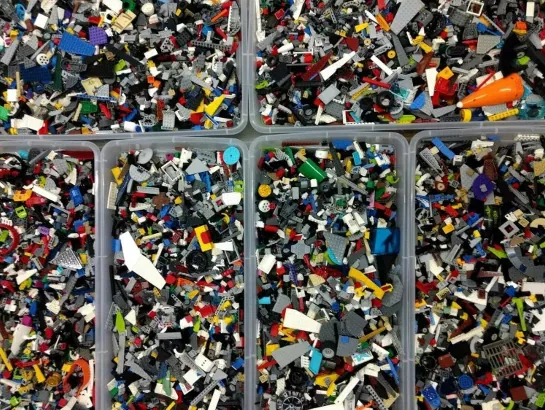
Designing a menu tailored to individual needs is an art—like building a LEGO set with a million pieces, many of which are damaged or don’t fit. This is particularly important when considering how to start a meal prep service that meets diverse dietary needs. There are more food products available now than ever, but finding, selecting, calculating, and cooking the right ones is no small feat. It’s like searching for a needle in a haystack—there are endless options, but very few match our needs and lifestyle. Without enough time and knowledge, creating a proper daily menu feels almost impossible.
We dream of a beautiful treehouse, but amidst the chaos of life, it often ends up as a mess, leaving us feeling far from satisfied.
How it usually goes — a box of loose bricks and no plan.What we were aiming for all along.
Switching to remote work disrupted the monotony of our daily routine—the grind of spending an hour commuting to work, 8 hours at a desk, another hour traveling to the store, an hour shopping, an hour cooking, an hour cleaning, and then off to bed, only to repeat it all again.
It turned out that for many, remote work was far more convenient, and commuting to the office wasn’t as necessary as we once believed. Similar changes occurred in our approach to shopping and eating—we suddenly realized: “Someone else can do this for me, and I gain time for the things I enjoy.”
The Aftermath: Four Key Trends Reshaping How We Eat and Impacting Food Business Ideas in 2025
Health
Yoga studios, CrossFit boxes, and gyms are sprouting up like mushrooms after the rain. Marathons have become a staple of urban life, and sales of supplements are breaking records. Moreover, 70% of people actively seek healthier food options. Eating is no longer just about taste—it’s now a way of taking care of both body and mind.
Convenience
We live in the age of subscriptions—from Netflix and Spotify to gyms and phones. It’s all about the “set it and forget it” mentality. Why? Because it’s convenient. We want to minimize effort, and convenience now dominates our culinary choices as well, pushing the growth of food startups focusing on ready-made meals and meal prep services. We don’t want to plan meals or cook when we can have ready-made solutions delivered right to our door.
Transparency
It’s not just about how food is produced—whether it’s ethical, sustainable, or where it comes from. While we claim these issues matter, companies like Shein, notorious for breaking every standard, continue to thrive. In food, transparency has become more personal: What exactly is in this product? Does it contain sugar? How much protein does it have? Is it vegan? Consumers demand clear, specific information to make informed decisions, which is crucial for anyone starting a food business that aims for transparency.
Time-Saving
Fast. As fast as possible. We live at the speed of immediacy. Smartphones are with us 24/7, and platforms like TikTok, Instagram, and Facebook have taught us that everything needs to be “here and now.” If I can’t order something with two clicks, I just scroll on. Why drive to the store, sit in traffic, or battle crowds when a courier can do it for me? This need to save time fuels the growth of delivery apps and platforms, presenting an opportunity for starting a food business focused on quick, convenient delivery.
More than half of us changed our eating habits after the COVID pandemic, but only one in three people is satisfied with the offerings in restaurants and stores. Most of us feel misled about the composition and contents of products, clearly indicating a need for transparency and clear product labeling:source.
We are often bombarded with choices of dishes, how do we decide on the single best one?
Is It Possible to Tame the 4 Horsemen of the Apocalypse?
At this point, it was clear to me that the modern food business is not tailored to the needs of our times. I analyzed all the business models available in the market. Each of them fulfilled at most two out of the four expectations.
Food delivery isn’t as fast as it might seem. Apps are designed to showcase restaurants, not dishes. Who’s interested in restaurants? Show me the menu and don’t make me sift through a Yellow Pages of businesses! From the moment you place an order, delivery can take up to two hours, and the food arrives barely warm. You know what? I order food because I’m hungry now, not in two hours!
Is it better at a restaurant? My wife can’t eat dairy. Ordering is a real nightmare. Good luck finding out which dishes don’t contain dairy. Waiting times and prices make it more of a weekend pleasure than a daily solution.
Other models have emerged too, such as meal kits popularized by companies like HelloFresh, Blue Apron, and others. These are fantastic for people who have time and enjoy cooking. You can order one for the weekend and spend time cooking with family and friends. However, for people aged 20-40 focused on their careers, this solution is entirely unsuitable. They’re simply not home and don’t have time to cook during the week.
Then there’s the meal prep category, which is essentially the same as buying ready-made meals in the supermarket, except they’re delivered to your home. Meals arrive once a week. Are they still fresh and healthy after a week? Let’s answer that question ourselves, especially since some companies deliver frozen meals. How is this convenient? Are you going to bring a carton of frozen dinners to work? And what about breakfasts or something for the evening? There’s nothing. One way or another, you still have to go to the store. So why not just buy ready-made meals there in the first place?
Estimates for such a meal for two adults and a child are as high as $100.
Then it hit me. What we need is not mass production but mass personalization! Mass production allows for creating meals at a price affordable to the average person, while personalization ensures that the diverse needs of each of us are met.
While you’re fighting to survive, they’re taking 30% of every sale, and you don’t even have access to your customers’ email addresses or phone numbers to contact them directly.
Let’s pause here for a moment. What needs? Food is just food, right? I was hungry, now I’m full—mission accomplished. This couldn’t be further from the truth. Each of us has specific needs and expectations when it comes to eating.
Some people look to food to improve their physique, whether to lose weight or gain muscle. Others, for religious or ideological reasons, exclude certain products, like meat, pork, or require that meat be produced in a particular way—halal, for example. Then there are those with allergies, like nuts, or conditions like celiac disease, which make them unable to eat gluten. More and more people are noticing lactose intolerance. We avoid bloating products like onions, garlic, or brussels sprouts.
Running a diet catering service taught me that a significant portion of clients detest olives—it’s the most common exclusion in primate.diet, though I have no idea why. If any olive-haters could explain this in the comments, I’d be grateful.
On top of all that, we all want to eat deliciously without overspending. Add to this the need for variety; sometimes we want something portable, like a smoothie, while on cold days we crave a warm soup. Factor in calorie counting, the wide-ranging needs of our families, leftovers in the fridge, and the eternal question: “What should we have for dinner?”
What we end up with is a multidimensional Rubik’s Cube we try to solve every day. And rarely with fully satisfying results.
Diet Catering – the Holy Grail of Gastronomy
The perfect solution would be hiring a personal chef to cook exactly what we want for the entire day, in the exact portions we need, without the dreadful ingredients we want to avoid (begone! cried olive haters in unison). However, having a dedicated person shopping and cooking for just one client is far from economical—most people simply can’t afford it.
But what if a single chef could cook for 10, 100, or even 1,000 pre-planned customers? Since the chef knows in advance what to prepare, they can plan production efficiently and do everything once instead of dozens of times throughout the day, as is typical in a restaurant.
It takes the same amount of time for a chef to put one chicken breast in the oven as it does to cook an entire tray of 100 breasts. The same applies to soup: making a pot for one person or a massive pot for hundreds takes nearly the same effort. What’s more, cooking in such large quantities allows for the use of kitchen machines that simplify and speed up the process. Peeling three potatoes with a machine? Not worth it. Peeling 300 kg of potatoes? Absolutely!
Prepared food for my primate.diet clients
With daily meal kit deliveries, traffic jams can be avoided, and it’s much cheaper than UberEats couriers delivering single dishes. First, planned deliveries for diet catering are made outside peak hours. Second, refrigerated trucks can deliver all the packages at once.
Imagine a service where fresh meal sets are delivered daily or every other day, consisting of 3 to 5 meals per day. These sets are balanced in terms of macronutrients, calories, and allergens, so you receive your perfectly tailored Rubik’s Cube of meals. Thanks to economies of scale and far more efficient production, companies can often offer such sets, including delivery, for the price of a single dish at a high-end restaurant.
Here’s how it works in a nutshell: The client orders online—via a website or mobile app. Every day, they receive a personalized meal set that helps them effortlessly achieve their goals. The subscription model ensures they don’t have to think about anything. The business owner gains a base of loyal customers ordering five meals every day. Without geographical restrictions, the business can reach a significantly larger audience, and simpler, more cost-effective production allows for higher profit margins.
Sounds impossible? Welcome to diet catering.
The client’s perspective:
Dimension
Food Truck
Fast Food
Restaurant
Restaurant Delivery
Meal Kit
Meal Prep
Dietary Catering
Do I need to shop?
Yes
Yes
Yes
Yes
Yes
Yes
No
Cost
Medium
Cheap
Expensive
Expensive
Medium
Medium
Cheap
Waiting time
30–60 min (incl. delivery)
30–60 min (incl. delivery)
30–60 min
60–120 min
30–60 min (prep)
5–10 min (reheat)
5–10 min (ready)
Health customization
Low
Low
Low
Low
Medium
Medium
High
Can I order online?
No
Via marketplace
No
Via marketplace
Direct
Direct
Direct
Is the food fresh?
Fresh
Fresh
Fresh
Fresh
Fresh
Chilled
Fresh daily
Do I need to cook?
No
No
No
No
Yes
No
No
Ingredient transparency
Ingredients
Ingredients
Ingredients
Ingredients
Ingredients & allergens
Ingredients & allergens
Full (calories, macros)
Supports dietary goals
No
No
No
No
Partial
Partial
Yes (calories & macros)
Effort: cleaning / dishes
Minimal
Minimal
Moderate
High
High
Minimal
None
Effort: meal planning
Minimal
Minimal
High
High
Minimal
Minimal
None
The business owner’s perspective:
Dimension
Food Truck
Fast Food
Restaurant
Restaurant Delivery
Meal Kit
Meal Prep
Dietary Catering
Interior project cost
Medium
High
High
Low
Low
Low
Low
Property cost
Low
High
High
Low
Low
Low
Low
Service range
Neighborhood
Local
Local
Neighborhood
Regional / National
Regional / National
Regional / National
Profit margin
10–20%
5–15%
5–15%
10–20%
15–25%
15–25%
20–30%
Equipment cost
Medium
High
High
Medium
Low
Low
Low–High
Payment timing
After service
After service
After service
Upfront
Upfront
Upfront
Upfront
Feedback mechanism
Low
Low
Low
Medium
High
High
High
Orders / customer / year
~8–12
~5–10
~4–8
~8–16
~8–16
~6–8
~25–40
Average order value
$8–15
$5–15
$20–30
$15–30
$60–100
$6–12
$20–60
Customer lifetime value
$64–180
$25–150
$80–400
$120–480
$480–1,600
$180–480
$500–2,400
Direct customer contact
Low
Low
Low
Medium
High
High
High
Want to see if this works on your own numbers? Run your kitchen through the free operator profit calculator — food cost, delivery, break-even — in about five minutes. No signup.
Winners Rising from the Ashes of the Fallen
The market has exposed and verified the weaknesses of less effective business models. The failures were nothing short of spectacular:
Freshly: Acquired for $1 billion by Nestlé, only to shut down due to unprofitability. No matter how big the scale—this model simply doesn’t work.Source
Gorillas: Initially grew at a breakneck pace, but was acquired by Turkey-based Getir, and both eventually disappeared from the market. Getir now operates only in Turkey.Source
Chef’d: Once valued at $150 million, now completely gone.Source
Munchery: Operated in cities like San Francisco, Seattle, and New York but suddenly declared bankruptcy due to insurmountable debt.Source
Plated: Acquired by grocery chain Albertsons, then shut down. Stakeholders decided they could sell ready meals directly in stores instead.Source
Blue Apron: Year after year, reports losses. They are now exploring options for selling the company or merging to survive.Source
In the diet catering sector, however, the situation is completely different.
Example of number of packages for customers at primate.diet
The number of companies achieving impressive revenues in this market is growing. NTFY, Maczfit, and Kuchnia Wikinga are just a few businesses surpassing $50,000,000 in annual sales (estimated data).
Their marketing rivals that of giants: hiring celebrities, sponsoring marathons, or in the case of Kuchnia Wikinga, even sponsoring the national football team.
Despite starting much later and without such financial backing, I managed to create a diet catering brand that reached $203,956 in monthly revenue by its fourth month of operation.
If you also want to start your own food business, make sure to watch the free online training.
Why Were We Deceived? For Money.
We’ve been made to believe that healthy eating is complicated. There’s an endless stream of new trends: low-fat, low-carb, keto, paleo, intermittent fasting. It seems that to run a healthy food business, you must serve only goji berries in coconut milk sprinkled with acai. The common belief is that healthy food is expensive and overly fancy.
What’s the truth? It’s much simpler—but simplicity doesn’t generate profits for corporations constantly looking for new ways to sell their processed products.
“Healthy eating” boils down to just three elements:
Quality – Unprocessed food. An apple picked from a tree, not dropped into a can of syrup. A carrot pulled from the ground, not created in a lab. Simple and short ingredient lists. What should ham contain? Meat. If it contains anything else, it’s not meat—it’s a meat-like product.
Proportions – Everything tastes better in the right proportions. It’s not about one meal; it’s about the proportions of everything you eat throughout the day. This applies to vitamins, minerals, and macronutrients. A little bit of everything. Even an app can calculate that for you.
Quantity – The dose makes the poison. Even water can be toxic if you drink too much—6–10 liters within a few hours can be lethal. It’s the same as with water in a bathtub. If you fill it faster than it drains, the tub overflows. If you fill it slower than it drains, the water level decreases. Nutrition works the same way. Eat too much, and you gain weight. Eat too little, and you lose weight. That’s it. No magic. It doesn’t matter whether the calories come from fats, carbs, or alcohol—if there’s a surplus, your body stores it. If there’s a deficit, your body burns stored resources.
Has anyone ever said, “I became a millionaire thanks to food marketplaces”? Yes—their founders and investors who sold shares when they went public. It certainly wasn’t the entrepreneurs or restaurant owners whose backs these marketplaces were built on.
Many small restaurants have great potential. But what if they are competing with the whole restaurant world?
Marketplaces assure small businesses that they’ll gain visibility, but the truth is quite different. The system is designed in a way that makes it impossible for you to stand out. They shove you into generic categories, force you into price wars with competitors, and take your customers in the process. While you’re struggling to survive, they’re taking 30% of every sale, and you don’t even get access to your customers’ email addresses or phone numbers to contact them directly.
As programmers say, “it’s not a bug; it’s a feature.” These systems are intentionally designed to work against you. You become dependent on them, which translates to greater profits for them.
You Can’t Blame Someone Who’s Spent Their Whole Life Looking Through a Covered Window
Society has a romantic vision: dreams of owning a food business, usually a restaurant, where the owner meets friends, sips wine on the terrace, and watches a beautiful sunset. A place to show off to friends and enjoy good times. But this dream quickly turns into a financial nightmare.
If at this point you feel like you’ve done something wrong—don’t. The sheer amount of information we’re bombarded with every day, promoting this vision, makes it easy for even the most astute observer to be misled.
I met a couple of cattle farmers who grew tired of agricultural production and decided to pursue their dream of owning a food business. They had no idea how to manage it. “Luckily,” they took over a business along with its staff, including a manager, head chef, and cooks. It seemed like their “promised land,” and they thought they’d soon be able to transition fully from profitable yet exhausting farming to gastronomy.
They reached out to me because, shortly after the takeover, the business became unprofitable. When I started talking with them, troubling details came to light: a 40% food cost, relying solely on one supplier, a business effectively run by the employees, and a contract structured so that the manager didn’t have any performance-based compensation.
The staff assured them it was temporary, that it wasn’t the season, that it was because they were using the highest-quality products, among other things. The myths surrounding this industry are plentiful—I’ve detailed them extensively in “The 23 Biggest Myths About About Catering Management“ Ultimately, the manager and the team convinced the owners to change nothing, saying the situation would soon turn around. And so, they were left with a romantic dream and a financial nightmare.
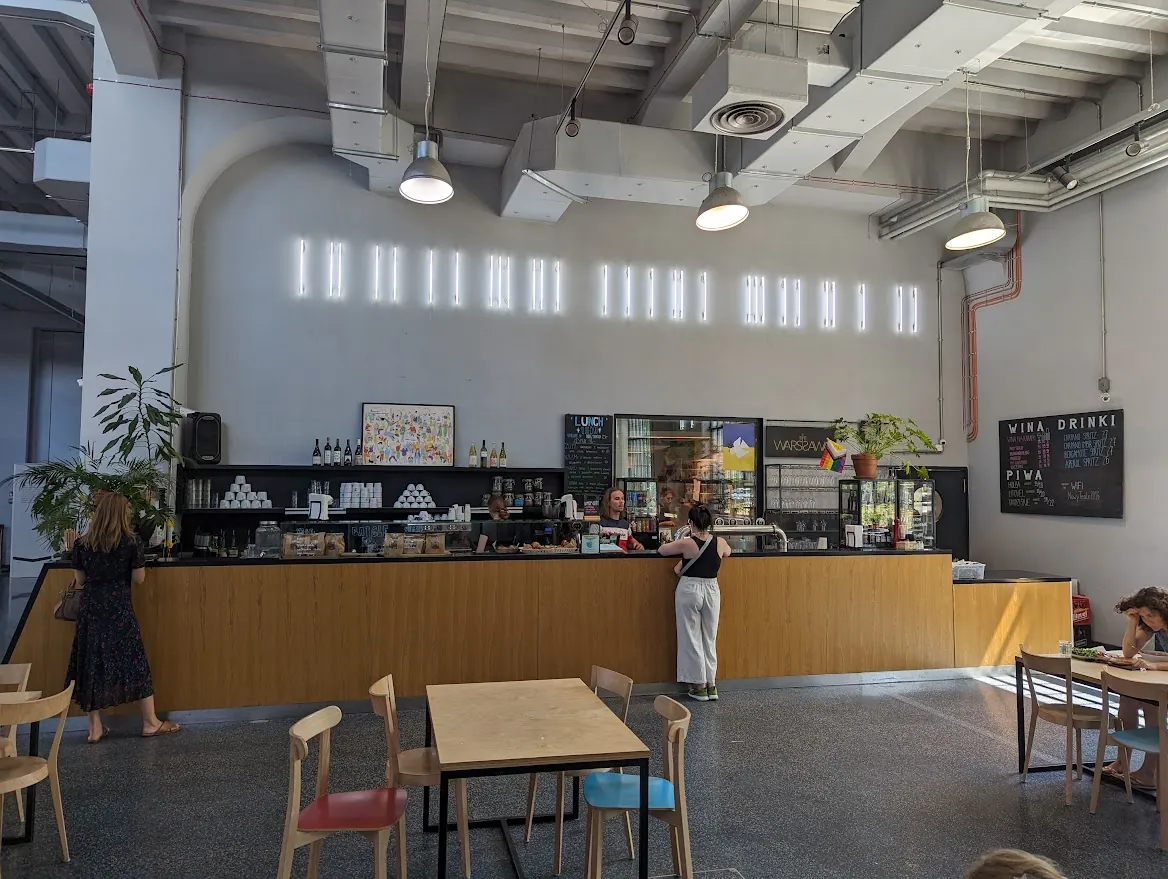
A visit to one of my favourite cafes in Warsaw.
Some people buy yachts, others buy cars, and some buy restaurants. They all share one thing in common—most of them end up pouring money into these ventures.
If you’re serious about building a profitable food business, a restaurant—whether it’s fast food, delivery-only, or dine-in—is not the best idea. Statistically, it’s one of the least likely ventures to succeed. 60% fail within two years, 80% within five years, and due to the lack of scalability, it has the smallest chance of ever becoming even a million-dollar business. source
Truths Are Universal
They are timeless and the same across all cultures. Whether we live in the Middle East or the far North, we all want more time for ourselves and our families. We want not only to live longer but also to be healthier, full of energy, and to inhabit strong, capable bodies. We want to avoid doing things we dislike, such as sitting in traffic when a courier could handle it, cleaning when it’s unnecessary, or cooking when we could simply eat something ready-made. Ultimately, we want to feel secure—because it’s our lives at stake. We want to know what we’re putting in our mouths and how it was made.
Traditionally, restaurants have had three main cost categories: food (typically 28–32% of total costs), wages (another 28–32%), and occupancy or property-related costs (22–29%). Based on unit economics, a restaurant should operate within a range of 78–93%, leaving a profit margin of 7–22% (franchise restaurants also pay additional franchise fees to their corporations). Source
Often when I look at the food market I am overcome with reverie.
The system is built in such a way that the property owner earns, the franchisor earns, the marketplace earns, but the restaurant owner—who comes up with the idea, puts in the work, invests capital, and takes the most risk—if they profit at all, it’s minimal. And when something goes wrong (like restaurant closures during COVID), they lose their lease, franchise agreement, or partnerships and are replaced by another cog in the machine.
You don’t build a house on rented land, and the same goes for not basing your business’s future on other entities. Did you know that McDonald’s doesn’t actually make its money selling hamburgers? They profit from real estate. They own the land their restaurants are built on and rent it out to franchisees. They figured this out long ago and have consistently executed this strategy over the years. Source
It’s up to us whether we keep lining the pockets of corporations profiting from the culinary passion of entrepreneurs. We need to build our own, independent channels for connecting with customers and meeting their needs in the simplest and most convenient ways. Selling through your own website, mobile app, phone, or email—these are tools no one can take from you.
Platforms like Instagram, Facebook, WhatsApp, and YouTube could decide tomorrow that your account no longer complies with their policies and shut it down. This doesn’t mean you shouldn’t use them—paid advertising on these platforms can rapidly scale your business. However, if you’re able to contact your customers directly, without intermediaries, your revenue will be secure.
A Personal Chef at Your Fingertips—Or Rather, Your Smartphone
Delicious, customized, and affordable food for everyday life. Who wouldn’t want a personal chef? Everyone would, but few can afford one. Diet catering is essentially a personal chef, made accessible to the average person thanks to economies of scale—cooking for dozens, hundreds, or even thousands of people every day.
This model works brilliantly for entrepreneurs because it works brilliantly for customers. Let’s look at how meeting customer needs leaves more money in the entrepreneur’s pocket while allowing for rapid business scaling.
Mass personalization is simple and cost-effective—if you know how to implement it. In diet catering, anywhere from a few to several hundred different meals are prepared daily. This extensive menu ensures that each customer can choose an optimal meal plan that meets their expectations not only in terms of taste but also by excluding ingredients they don’t want or can’t eat, fitting their budget, and balancing calories and macronutrients. Remember the Rubik’s Cube? This is what solving it looks like in practice.
The different colours represent the customers and their food choices.
Are you thinking, “But how can you reconcile all that? There are more possible combinations than stars in the sky!” I completely understand. When we started, we faced the same challenge, which is why we decided to solve it. Let me be blunt—without the right tools, optimizing such a selection manually is almost impossible.
At Flambia, it took us 5 years to create and refine an algorithm that considers all these factors, aligns customer needs with production realities, and delivers a seamless solution. By combining production experience, programming, and combinatorics, we made it possible—and ultimately solved this challenge with dedicated software.
Beyond matching their preferences, customers expect affordable prices—ideally only slightly higher than the cost of cooking at home—and free delivery, because, as we know, no one likes paying for it. If you’ve worked in the food service industry, you might think, “That’s absolutely impossible, I know how much it costs to produce a dish in a restaurant.”
Exactly—let’s take a closer look at the differences and why a meal in diet catering can be cheaper than cooking at home.
Diet catering clients order 4–5 meals a day. This makes the number of meals produced enormous, even at a relatively small scale. In my catering service, with 2,000 clients, the kitchen effectively produces nearly 10,000 meals daily.
Labor
A restaurant chef preparing soup can only make enough for a few, at most a dozen, customers. A chef in diet catering uses a massive kettle capable of cooking 500 liters of soup at once. A restaurant chef must prepare fresh meals for customers ordering at various times, whether dining in or for delivery, performing the same tasks multiple times a day. A catering chef prepares a dish only once.
In a restaurant kitchen, prep work—washing, chopping, peeling, slicing—is done manually. At the scale of diet catering, automation becomes cost-effective, so cutting, slicing, peeling, washing, shredding, and grinding are all handled by kitchen machines. This allows the chef to focus on what truly matters—ensuring great flavor and skillfully combining ingredients.
Utilities
Thanks to this production model, the labor, electricity or gas consumption, and food waste per meal are incomparably lower. Moreover, processes are standardized, ensuring better and more consistent flavors.
All of this allows the final product to be offered to customers at more attractive prices than they could achieve by cooking at home. Additionally, the entrepreneur’s margin is significantly higher, reaching 50% or even 60% per dish while maintaining excellent taste and high quality.
Deliveries
Another element that makes diet catering cost-efficient is its delivery model. In restaurants, couriers operate on a “point-to-point” model. This means they deliver one order, return to base, and pick up another. In diet catering, couriers use a “milk run” system—they take all packages at once and deliver them sequentially to different points.
They operate outside peak hours—either early in the morning before people leave for work or late in the afternoon or evening when people are home. This means they avoid traffic and can move around the city much faster. With greater load capacity, they can handle up to 150 orders at a time, compared to a restaurant courier’s 5—30 times more!
Moreover, delivery points are predetermined, allowing for optimized routes. Considering that each customer orders 4–5 meals a day, compared to 1–3 from a restaurant, the cost of delivery per meal is negligible compared to the traditional delivery model used by apps like UberEats. While UberEats’ delivery radius is limited to a few kilometers, diet catering can cover an entire medium-sized city right from the start. As the business scales, intercity deliveries become feasible, thanks to specialized refrigerated fleets.
In my catering business, meals are delivered daily across Poland, covering hundreds of kilometers—all prepared in a single central kitchen.
Food packages for clients of my two diet catering companies: Cebulka and Primate.
Property
One of the biggest cost drivers for restaurants is the property itself. This isn’t the case for diet catering. When I started, we operated out of a friend’s apartment. Of course, this isn’t scalable, and we could only handle up to 30 packages a day. We quickly had to find something professional.
Here lies a fundamental difference between the two models—restaurants must be close to the city center. If it’s a sit-in restaurant, the location needs to attract foot traffic. If it’s delivery-focused, couriers need to avoid long distances. These locations are expensive.
Diet catering, however, only requires a spacious kitchen. That’s it. Industrial halls adapted for cooking are perfect for this model. Locations on the outskirts are far cheaper to rent and adapt than those in central areas. As a result, property costs are much less significant in diet catering than in restaurants.
This is what the food parcel preparation area looked like in the beginning.
Food Cost
Raw material costs are also incomparably lower, while quality is higher, because you bypass middlemen. At this scale, you don’t buy food from a store; you source it from specialized wholesale suppliers who deliver directly to your kitchen.
You’ll work with the same suppliers that serve supermarkets, which means significantly lower prices and a level of influence over product quality that most restaurants can only dream of. From the perspective of a supplier’s sales team, you’re worth as much as 10 restaurants. They’ll do everything they can to keep you as a client.
Taste
The most important factor for customers is taste. How many days in a row could you eat at the same restaurant before the dishes start to bore you—or worse, disgust you? Diet catering has a unique advantage: menus offer several to even hundreds of dishes daily. The larger the scale, the greater the variety.
This means customers can choose meals tailored to their preferences without ever getting bored. Such variety is impossible to achieve at home—no one has the time to cook five different meals every day.
It’s like comparing public transport to driving your own car. Remember when you didn’t have a driver’s license and taking the subway or bus didn’t seem like a problem? But now that you have a car, you’re willing to pay 10 times more for the comfort of traveling on your own terms, listening to your favorite music, at convenient times, and without the hassle of walking from a bus stop to your destination.
The same applies here—once someone experiences the convenience of diet catering, they’re unlikely to return to their old habits.
Examples of dishes in Cebulka diet catering
Feedback
One of the eternal challenges for chefs is figuring out where and how to gather structured feedback on what customers like and what needs improvement. Have you ever seen a situation where customers, when asked about their experience, politely said everything was fine, but never returned to that restaurant again?
In diet catering, customers can rate individual dishes, leave comments, and provide suggestions via the website or mobile app without feeling like they’re hurting the feelings of a kind server. This provides the kitchen with continuous feedback—not anecdotal insights from one or two customers but structured input from hundreds. This allows for consistent recipe refinement and improvement.
This is how customers rate dishes in our system. We receive the ratings immediately.
Upfront Payment
One of the biggest pain points in the food service industry is managing cash flow. Taking supplies on credit, worrying whether there will be enough customers this week to pay off debts to suppliers—these are constant stressors. On top of that, there are countless other expenses requiring cash flow: small or large repairs, replacing worn-out dishware, cleaning supplies, and many other hidden costs that add up to create a mountain of obligations.
While some of these costs exist in diet catering as well, there’s one significant difference—you have the guarantee that the service is prepaid. How rare is it to have a guarantee for anything these days? Yet here, you provide a service that has already been paid for! You purchase ingredients not hoping someone will come to try your dishes, but knowing that a customer has already paid for your product and labor.
The funds received from customers can be reinvested into the business, functioning as an interest-free loan.
Advertising and Marketing
What does advertising look like for a typical restaurant? It’s hard to call it efficient. Flyers, sidewalk signs, and Instagram posts are necessary but challenging to measure in terms of return on investment (ROI). For food delivery services using marketplace apps, you’re stuck paying for visibility boosts in the app. You have little control over these efforts, and their effectiveness is limited. Scaling your operations even threefold is tough, let alone growing 10x or 100x.
In diet catering, customers place orders conveniently via a website or mobile app. This makes it incredibly easy to track the user journey and understand which actions are effective and which aren’t. You have access to a full range of advertising tools, such as email marketing, affiliate marketing, or paid ads on YouTube, Facebook, or Instagram.
Thanks to paid ads, I was able to acquire 2,000 customers by the fourth month of operation. I knew exactly how much I could spend on acquiring a customer and reinvested the funds from prepaid customers to acquire even more.
If you’re interested in effective advertising strategies, read this article. In that article, I explain how to calculate their profitability.
Ready to land your first paying subscribers?Book a 30-minute fit call and see how a prepaid line would run in your kitchen.
Good for the Body, Good for the Soul
We’ve talked a lot about technical, measurable aspects, but how do you calculate happiness, avoiding burnout, being well-rested, or feeling like you’re helping someone? These intangible elements are crucial to all of us. When starting a business, we want it to be profitable, but we also hope to leave behind a legacy—something that speaks well of us to our families, friends, other people, and future generations.
Do you know the leading cause of death worldwide? Cancer? No, try again. COVID? Not even in the top ten. The answer is cardiovascular diseases, which account for 32% of global deaths. Roughly half of these illnesses are directly caused by poor dietary habits. That means 16% of all global deaths—about 8.5 million people annually—could be prevented with a healthy, balanced diet. That’s 23,287 people dying every day because they chose burgers, chips, and sugary drinks over your delicious, nutritious meals. Source, source, source.
I only indulge in such meals occasionally, but when that moment comes – I go all the way. 🙂
When I realized this, it became clear that this isn’t just about selling food or whether someone orders a small or large portion of fries. This is about delivering tasty, balanced meals that could mean thousands of children won’t grow up as orphans, and countless families won’t lose their siblings prematurely. Through food, you can help entire communities live longer and healthier lives!
Gone are the days of inhumane working conditions in the food industry—12, 14, or even 16-hour shifts. In diet catering, the production process runs like clockwork. Everything is predictable and planned in advance. This allows the team to work at a steady pace, complete their tasks, and go home, instead of scrambling during peak hours in an understaffed restaurant.
Another advantage is the positive impact on the environment. Couriers follow optimized delivery routes, minimizing unnecessary travel. Food preparation consumes far less energy, and waste is significantly reduced both in production and on the customer’s end, thanks to portioned meals tailored to daily needs.
Ride the Wave or Be Left Adrift
As you can see, diet catering is an appealing model for both customers and entrepreneurs. It’s cheaper, more convenient, faster, and better tailored to taste and health preferences. Unlike restaurant meals, often laden with excess fat to enhance flavor, diet catering offers a healthy and flavorful alternative—prepared by chefs who may not be nutritionists but know how to craft delicious and balanced meals. The vision of a personal chef available to everyone is not only realistic but is quickly gaining popularity as societal habits shift.
Looking at various markets, it’s clear there won’t be as many players in diet catering as there are restaurants. The first-mover advantage plays a significant role here. Whoever establishes this business first in a given region will quickly gain market share, achieve economies of scale, expand their offerings, and create enormous entry barriers for competitors.
If you don’t catch this wave now, you’ll be left adrift in the ocean with no choice but to float aimlessly.
Want to start a diet catering business? Here’s the first real step.
You need a path someone has already walked. I took a kitchen from a standing start to a full prepaid order book. Now I set up the same line with you, in your own kitchen. Book a 30-minute fit call and we will see together whether your kitchen fits.
After building, running and selling three meal-prep brands, the pattern is clear: what scales is prepaid weekly plans and route-dense delivery; what kills is discounting, pay-per-order chaos and chasing every dietary niche.
Pay-per-order means you buy ingredients today and hope for orders tomorrow; prepaid means the customer funds the week before you shop. Same menu, opposite cash flow — and cash flow is what closes most food businesses in year one.