

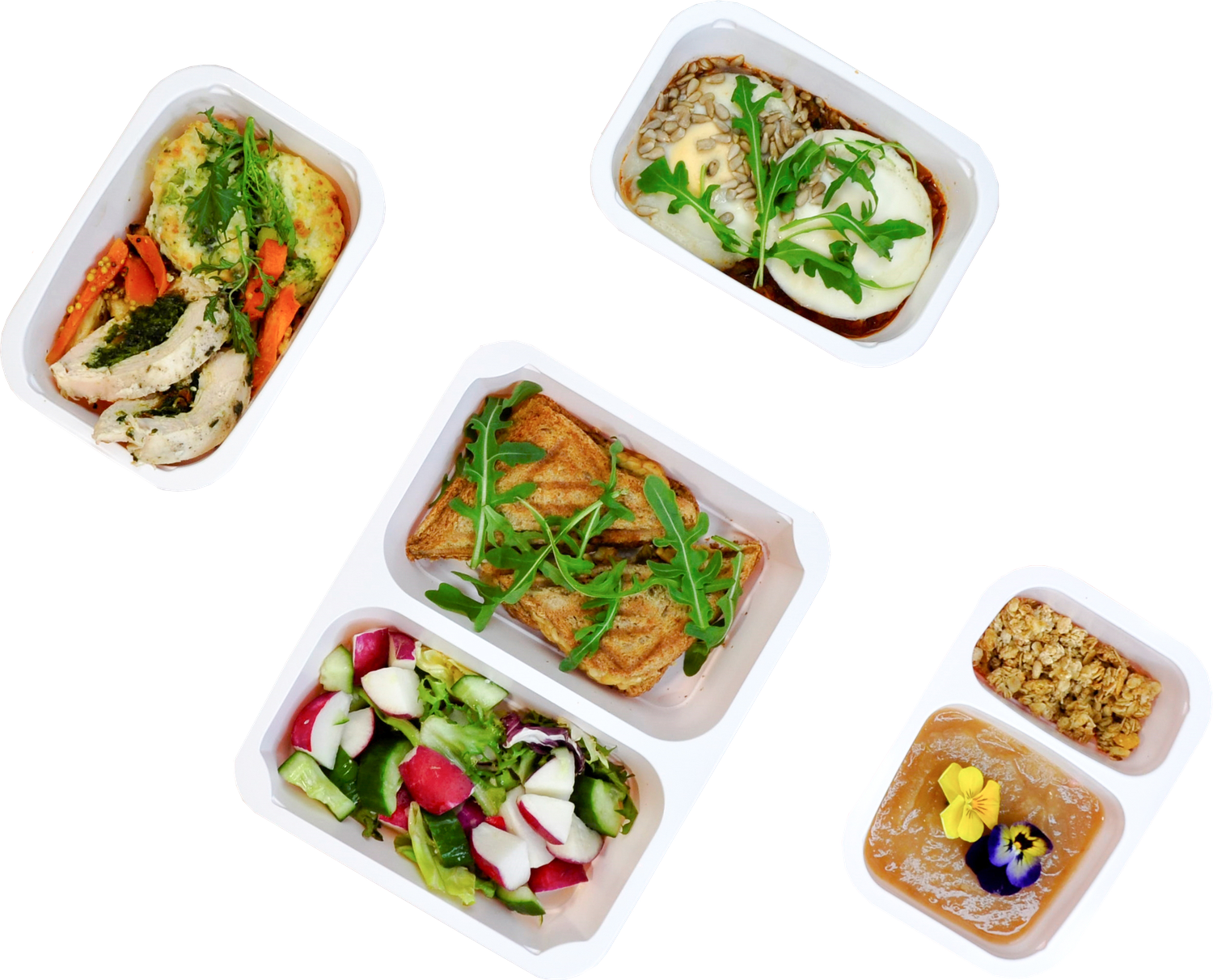
You add a meal prep line by selling weekly meals in advance, then cooking only what is already paid for. Customers load a prepaid balance on your own site, your crew batch-cooks in the quiet weekday mornings, a courier delivers labelled bags. No new premises, no second team at first. Your idle hours become the asset.
You already own the hard part. A licensed kitchen. Trained hands. Suppliers who pick up the phone. Most weeks, that kitchen sits half-empty between the lunch rush and the dinner push, and on slow weekdays it barely earns its rent. A prepaid meal prep line fills those quiet hours with paid, repeatable work. This guide walks an existing operator through the whole idea: what the line is, why your idle hours make you the ideal fit, the money math that makes it safer than a normal menu, and the simple first step.
I built three food brands and sold all three. One of them, Cebulka, reached $203,956 in its best single month. Then I built the software that ran all three from one kitchen. What follows is the playbook I wish someone had handed me at the start.
How do you add a meal prep line to a kitchen you already run?
You sell weekly food in advance, then cook only what is already bought. Customers order a plan on your own branded website, top up a balance, and pick how many meals per day they want. You batch-cook those meals on the slow weekday mornings your kitchen is already staffed for, pack them into labelled bags, and hand the daily list to a courier. No new building. No second crew at first. You bolt the fresh line onto the kitchen, the cold storage, and the cooks you have. Start small, learn the rhythm on real orders, and grow the book week by week. The rest of this page unpacks each piece; the maths behind it lives in is a meal prep business profitable.
What is a prepaid meal plan line?
A prepaid meal plan line is a small business that lives inside your kitchen. People buy a week or a month of daily meals before a single pan is hot. Think of it like a coffee card. The customer loads money first, then spends it day by day as the food arrives. Each morning your team cooks the meals, packs them in sealed boxes with a label, and a courier drops them at homes and offices. The menu rotates on a fixed cycle so nobody eats the same lunch twice in one week.
This is not event catering. There is no quote, no one-off party tray, no waiting on an invoice. It is a steady book of customers who pay up front and reorder on their own. The food looks like the healthy, portioned meals you see in any gym fridge: a protein, a starch, a vegetable, the numbers printed on the side.
Why is an operator with idle weekday hours the ideal fit?
Because the line feeds on exactly the capacity you waste. A meal prep book is busiest first thing in the morning, when a restaurant kitchen is usually cold and a catering crew is between gigs. You cook the next day’s bags before your normal service even starts. Your fridges, your ovens, and your cooks earn money in the hours they used to sit still. The unit economics are kind too. You buy ingredients only after the customer has paid, so a fresh order never ties up your own cash. You already passed the health inspection that scares off newcomers. You already know your suppliers and your true plate costs. A brand-new founder spends a year and a small fortune reaching the starting line you are standing on today. There is a whole guide on this angle: recurring revenue from idle kitchen capacity.
The money math: paid before you cook
Most food businesses live on a knife edge because they spend first and hope second. They buy stock, prep it, plate it, and pray enough people walk in. A prepaid meal plan flips that order. The cash arrives before you touch a single ingredient. That one change rewrites your risk. Spoilage drops, because you cook to a list of paid orders, not to a guess. Working capital stops bleeding, because customers fund the groceries, not your bank account. And revenue turns predictable: a subscriber who reorders every week is worth far more than a stranger who buys once. At the peak of my own brands we packed roughly two thousand bags a day, and every one of them was paid for before the shift began. Run your own numbers in the operator profit calculator to see what the flip would mean for your venue.
What does the software side look like day to day?
The platform I later built, Flambia System, is the same software that ran Cebulka and two sister brands from one kitchen. Each operator gets a branded storefront on their own domain with calorie-personalised ordering, subscriptions with a prepaid balance, self-serve pause, skip and cancel, and recurring card billing. A menu engine composes the rotating cycle under your macro rules and a no-repeat-within-a-week guard, from dishes each customer can actually eat. The production side prints the day as paperwork your crew can follow: shopping lists, cooking and sorting sheets, packing lists, labels with macros and allergens, and a per-address delivery report that goes to your courier company. It also watches your realised food cost against the target you set, every day, so a bad week never quietly becomes a bad month. But hear me clearly: the software is the later rung. The first customers come first.
The very first step
The first step is small on purpose: a 30-minute fit call. Your kitchen runs one service today. On the call I show you how a prepaid second one would run in the hours it currently wastes. I learned how by building three real brands and the software underneath them. You do not commit your kitchen or your staff to find out whether this fits you. Before the call, read the part most people skip: how to win your first meal prep customers. If it makes sense, the software and the founder-led setup are the next rungs on the ladder. If it does not, you have lost very little and learned something real.
Stop paying rent on hours that earn nothing. Put them to work.
Before the first sale, check the paperwork: meal prep business licences and permits.
Adding a line also means owning the cold chain: meal prep food safety.
Not ready yet? Take the checklist
The add-on starter checklist. Every licence, fridge, label and supplier question to answer before your first prepaid week, on one page. Free, straight to your inbox.