Yes, you can rent out your commercial kitchen in the hours it sits idle. Published US rates average about $20–$35 an hour, and $40–$75 in the biggest cities. Before the first tenant, settle six things: insurance, permits, tenant vetting, a schedule, cleaning rules and storage. Then price the other option: a prepaid meal line of your own in the same hours.
Those of us who run kitchens pay for the hood, the walk-in and the lease whether the line is cooking or not. So why not let someone else cook in the dead hours? My kitchens ran on the opposite clock: we cooked for delivery by morning, while dinner kitchens were cold. Here are the published rates, the checklist I would want signed before anyone else holds my keys, and the arithmetic of keeping those hours for a line of your own.
Can you rent out your commercial kitchen?
Yes, and it is a recognized model. The Food Corridor, which builds software for shared-use kitchens, lists restaurants and small factories that rent extra kitchen time to other businesses as one of the standard shared-kitchen models. Its guide also names the catch: your own service comes first, so the hours you offer can shift when your business changes.
Three phone calls come before any listing. First your landlord, if you lease: many commercial leases limit subletting, so get consent in writing. Then your insurer, because another business cooking on your premises changes the risk. Then your health department, because your permit covers your business, not your tenant’s. If you are on the other side of this trade and need kitchen hours, see our guide to commercial kitchens for meal prep.
How much can you charge per hour?
Published rates cluster around $20–$35 an hour in the US, with big-city kitchens well above that. Treat the figures below as a starting range, and check three listings near you before you set a price.
| Source (published) | Market | Hourly rate |
|---|---|---|
| The Food Corridor, citing its 2023 shared-kitchen operator survey | US shared kitchens | $15–$45; 42% of kitchens average $20–$29 |
| Shared Kitchen Locator, April 2025 | US national average | $20–$35 |
| Shared Kitchen Locator, April 2025 | NYC, LA, Chicago, San Francisco | $40–$75 |
| Oya, April 2026 | UK shared kitchens | £15–£20 outside London; £35–£45 in central London |
Your idle hours are usually the cheap ones. The Food Corridor counts roughly 7 p.m. to 5 a.m. as off-peak, and 28% of kitchens in its 2023 survey price those hours differently. Shared Kitchen Locator says overnight shifts can cut the hourly rate by 20–30%. So if your free block is dawn or late night, price it toward the bottom of the range and sell it in weekly or monthly blocks.
What do you need before your first tenant?
Six things, settled on paper before anyone else cooks on your line. This is a checklist of questions, not legal advice. Your insurer, your landlord and your health department have the last word, and the rules differ by state, county and council.
- Insurance. Ask your insurer whether your policy covers another business cooking on your premises. Ask each tenant for a certificate of insurance before the first shift. NEXT Insurance notes that some kitchens also ask to be listed as an additional insured on the tenant’s policy (December 2024).
- License and permits. Your permit covers your business, not your tenant’s. The Food Corridor says each food business generally needs its own license to operate in a shared kitchen, though this varies by state and locality. Ask your health department what it wants from you as the host. UK note: in England, Wales and Northern Ireland, a food business must register with its local authority at least 28 days before trading (Food Standards Agency, updated June 2026). A tenant selling food is a food business in its own right, so ask to see its registration.
- Tenant vetting. Before the first shift, see the tenant’s permit or registration, food-safety training certificates and insurance. Then run one trial shift while you are in the building. Put hours, deposit, house rules and the notice period in a written agreement.
- Scheduling. Sell fixed, repeating blocks, with a handover gap between your service and theirs. Agree in writing who gives way when your service runs late. If you list on a marketplace, read its host terms for fees and payout timing, and compare what reaches you per hour.
- Cleaning. Hand every tenant a written close-down checklist, and sign it off at the end of each shift. Keep your own cleaning and sanitation log; The Food Corridor lists it among the records a kitchen’s management should keep. The deposit covers the night someone skips the floor drains.
- Storage. Give each tenant labeled shelves in the walk-in and the dry store, apart from your own stock, with allergens kept separate. Decide up front whether storage is part of the hourly rate or billed on its own.
Should you rent out the hours or run a meal line in them?
What do you want from those hours? Rent them if you want simple income without a second business. Keep them if you want income that grows. Rent stops at the hourly rate times your free hours. A prepaid meal line grows with every customer, and customers pay before you cook.
Assumptions (mine, not a quote for your kitchen):
- Rent: a four-hour block at the US average of $20–$35 an hour, from the table above.
- Price: $25 per customer per day for that day’s meals, the working figure in my walkthrough video. Your city and your menu set the real price.
- Food: 19–24% of the order price, the range my own kitchen ran.
- Delivery: 8–11% of the order price, on our own morning routes.
The four-hour block pays $80–$140. One customer-day at $25, after food and delivery, leaves $16.25–$18.25. The line still pays packaging, labor, card fees and advertising out of that, and a tenant would cover all of those. So on this rough cut, five to nine daily customers match one rented block. Every customer past that is income that renting cannot reach.
| Rent out the hours | Run a prepaid meal line | |
|---|---|---|
| Who cooks and sells | The tenant | Your crew, under your own brand |
| What you earn | Hourly rate × hours booked | Per customer: price minus food, delivery, packaging, labor and ads |
| Ceiling | Your free hours | The customers your crew can cook for in those hours |
| When cash arrives | Per booking, or with a monthly plan | Before you cook: customers pay for a week or a month up front |
| Extra work for you | Vetting, scheduling, checking the clean | Menu, packing, a morning route, finding customers |
| Main risk | A tenant who damages equipment or your inspection record | Too few customers to cover what the line adds |
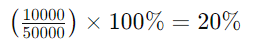
The ceiling row is why I kept my own hours. One kitchen of mine produced about 2,000 prepaid daily meal-sets a day, about 10,000 individual meals, all delivered by morning. Prepaid also changes when the money arrives: when I sold one brand, customers held $28,000 of prepaid food on their accounts.
Renting still wins when your crew has no spare hours, or when you want no second business at all. You can also do both: rent out the blocks your line does not use. The full case for a recurring line in quiet hours is in adding meal prep subscriptions to your restaurant. The customer count your line needs is worked out in how many customers a meal prep business needs to break even.
Frequently asked questions
How much does it cost to rent a commercial kitchen per hour?
In the US, published averages sit around $20–$35 an hour, and $40–$75 in the largest cities (Shared Kitchen Locator, April 2025). In the UK, Oya lists shared kitchens at £15–£20 an hour outside London and £35–£45 in central London (April 2026). Off-peak and overnight hours usually sell for less.
Can I rent out my kitchen if I lease the building?
Often yes, but read your lease first. Many commercial leases limit subletting or require the landlord’s written consent. Tell your insurer too, because another business cooking on your premises changes your risk. This is general guidance, not legal advice; a local attorney or solicitor can read your lease with you.
Does my tenant need its own food permit?
Usually yes. The Food Corridor’s toolkit says each food business generally needs its own license in a shared kitchen, though rules vary by state and locality. In England, Wales and Northern Ireland, a food business registers with its local authority at least 28 days before trading. Ask your health department or council what it expects from you as the host.
Should I charge by the hour or by the month?
Both work. Hourly suits a tenant testing a product. A monthly block of prepaid hours suits a regular and gives you a steadier calendar. In The Food Corridor’s 2023 operator survey, 54% of shared kitchens offered monthly prepaid plans with no rollover of unused hours.
Is renting out my kitchen better than starting a meal prep line in it?
It depends on what you want from the hours. Renting is simple income, capped by your free hours. A prepaid meal line takes more work but grows with every customer. On this page’s assumptions, five to nine daily customers match one rented four-hour block, before packaging, labor, card fees and ads.
Thinking of keeping the hours for a meal line of your own? On a 30-minute fit call we look at your kitchen, your quiet hours and your city together. The call ends with a yes and a start date, or a plain not now.
Price: Set on a fit call, after we see your kitchen.
Where to go from here
Ready to fill the hours yourself? The step-by-step is in how to add a meal prep line to your kitchen.